People

Our Team

Principal Investigators
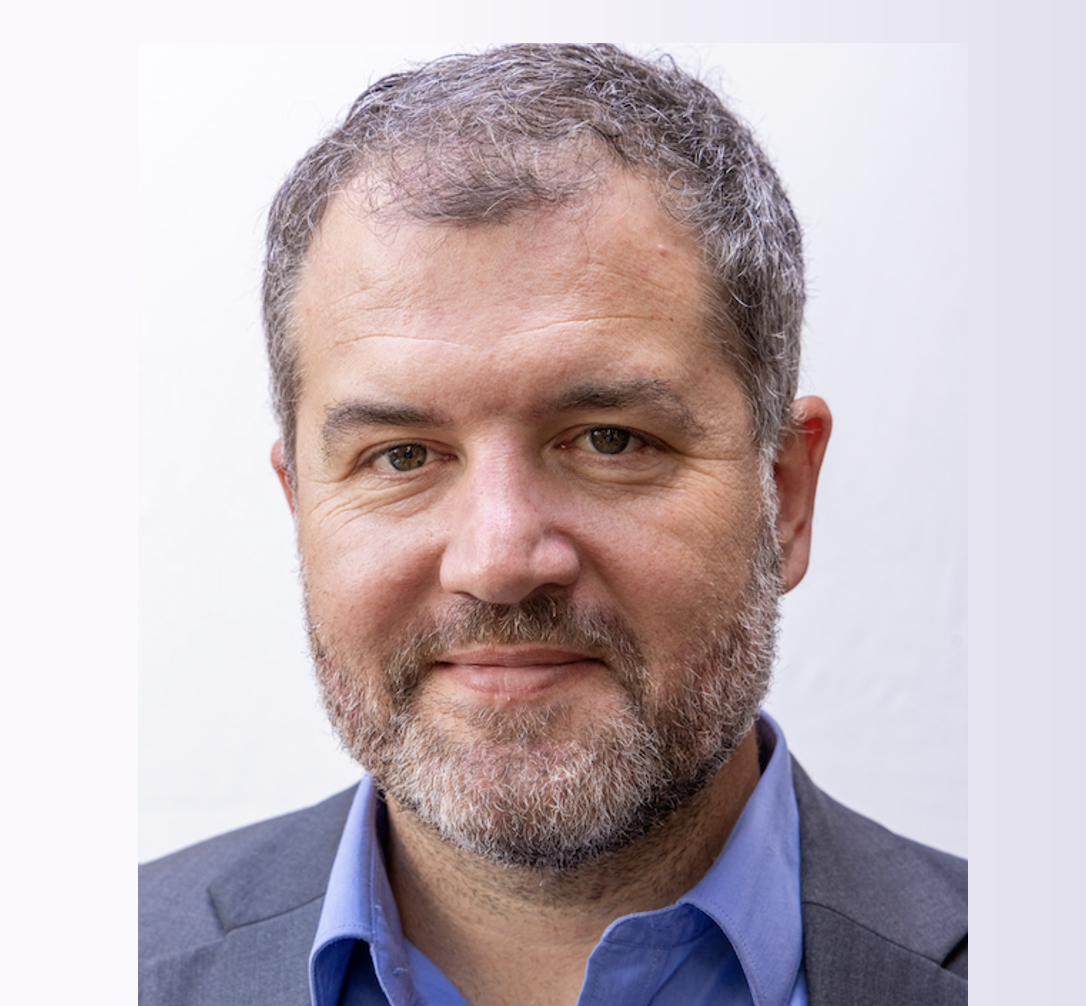
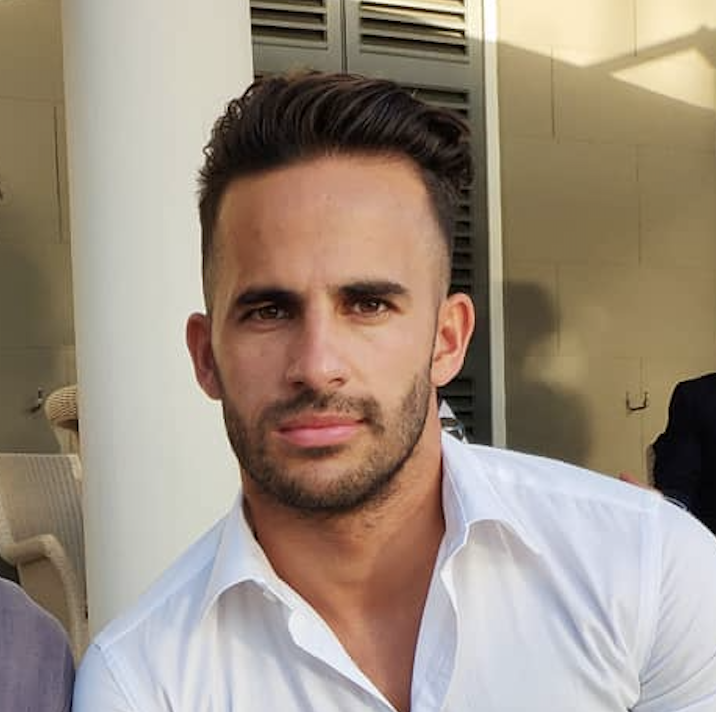
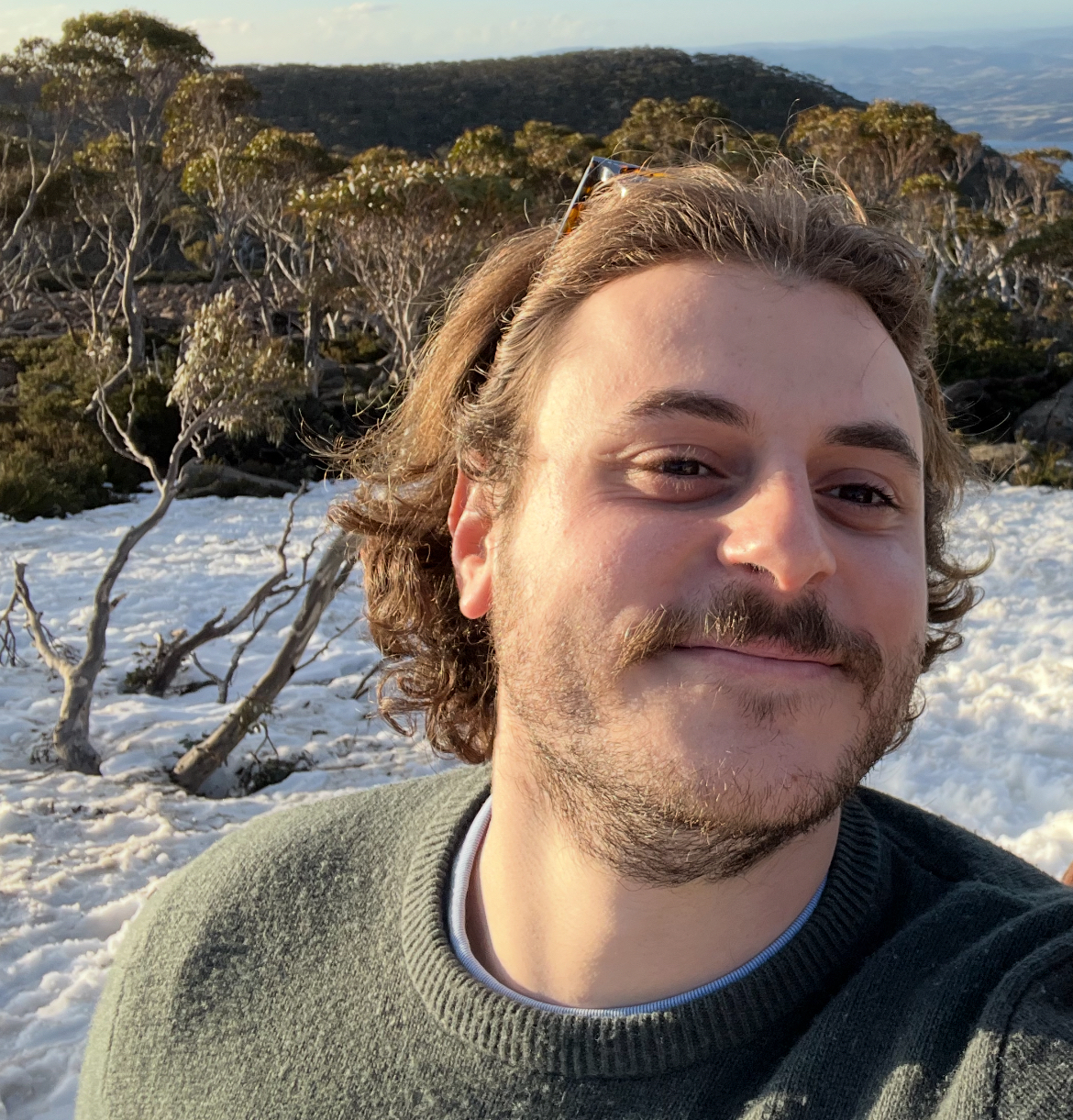
Mac Shine
Mac Shine

Professor

I'm a systems neurobiologist working to understand the mechanisms of cognition and attention using functional brain imaging, both in health and disease. I have a particular interest in understanding how the different arms of the ascending arousal system flexibly modulate the cross-scale organisation of the brain to facilitate adaptive behaviour. I'm currently working as a joint NHMRC/Bellberry fellow at The University of Sydney.

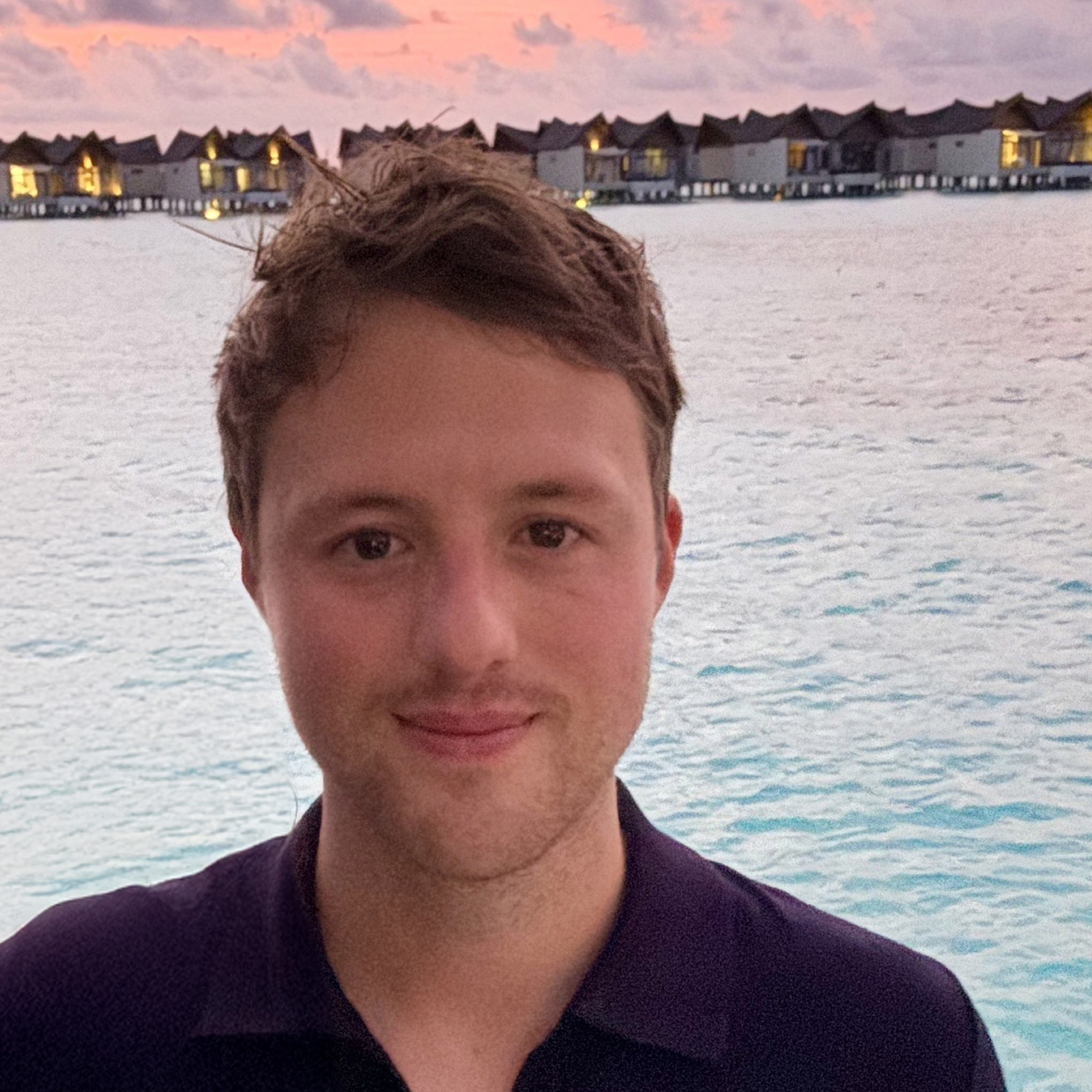
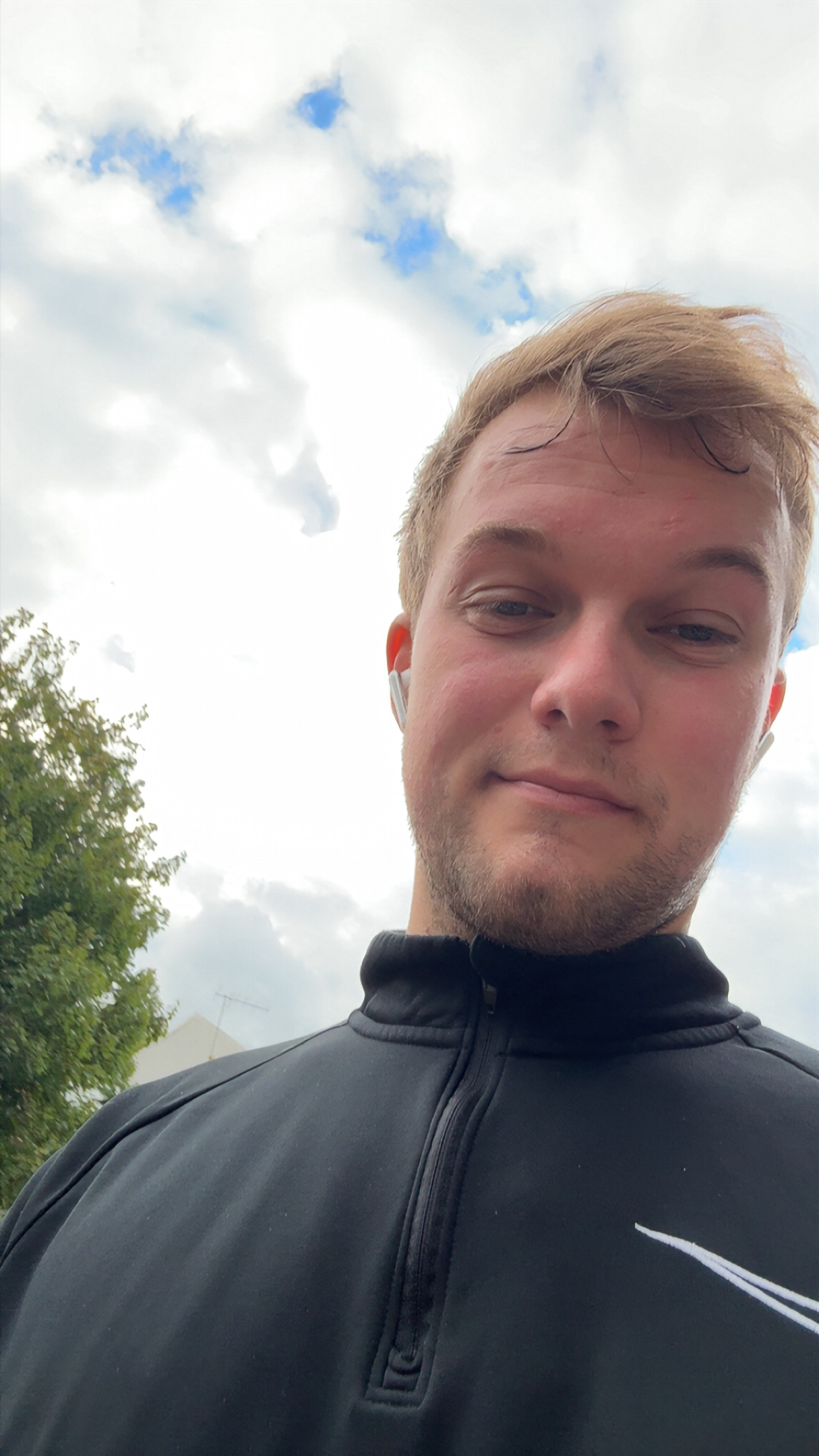
Eli Müller
Eli Müller

Primary Investigator

I'm a computational neuroscientist at the University of Sydney whose research focuses on understanding how flexible brain function emerges from interactions across multiple biological scales. My work centres on the dynamical principles governing large-scale neural systems, with particular emphasis on cerebellar-thalamocortical interactions, neuromodulatory arousal systems, and the low-dimensional structure of brain activity underlying cognition and consciousness. I develop and apply empirically informed biophysical models alongside data-driven approaches to link cellular and circuit-level mechanisms with whole-brain dynamics in humans and animal models. More broadly, my research explores how control and dynamical systems theory can be used to explain rapid, moment-to-moment reconfiguration of brain states, and how these principles may inform both neuroscience and next-generation artificial intelligence.

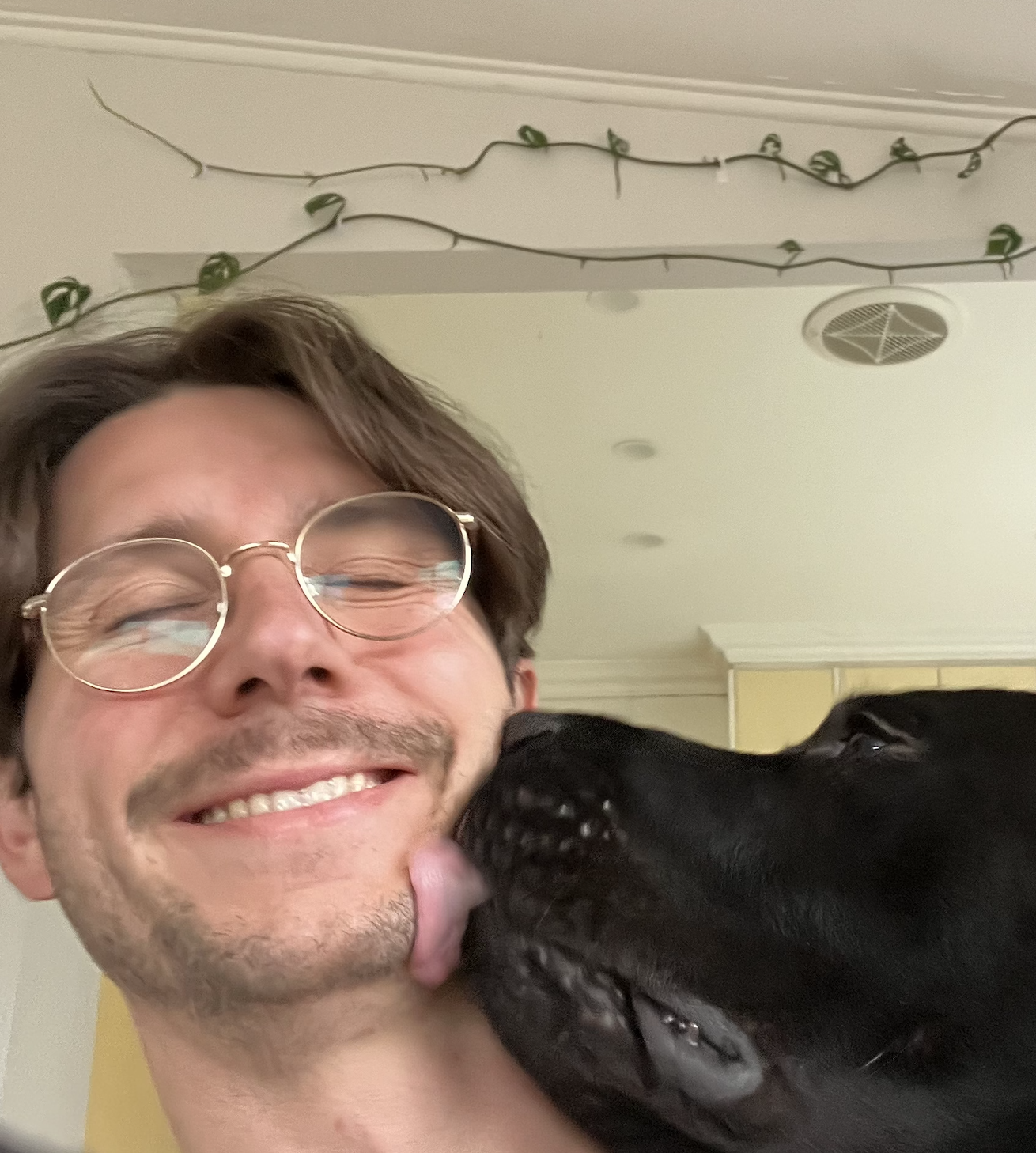
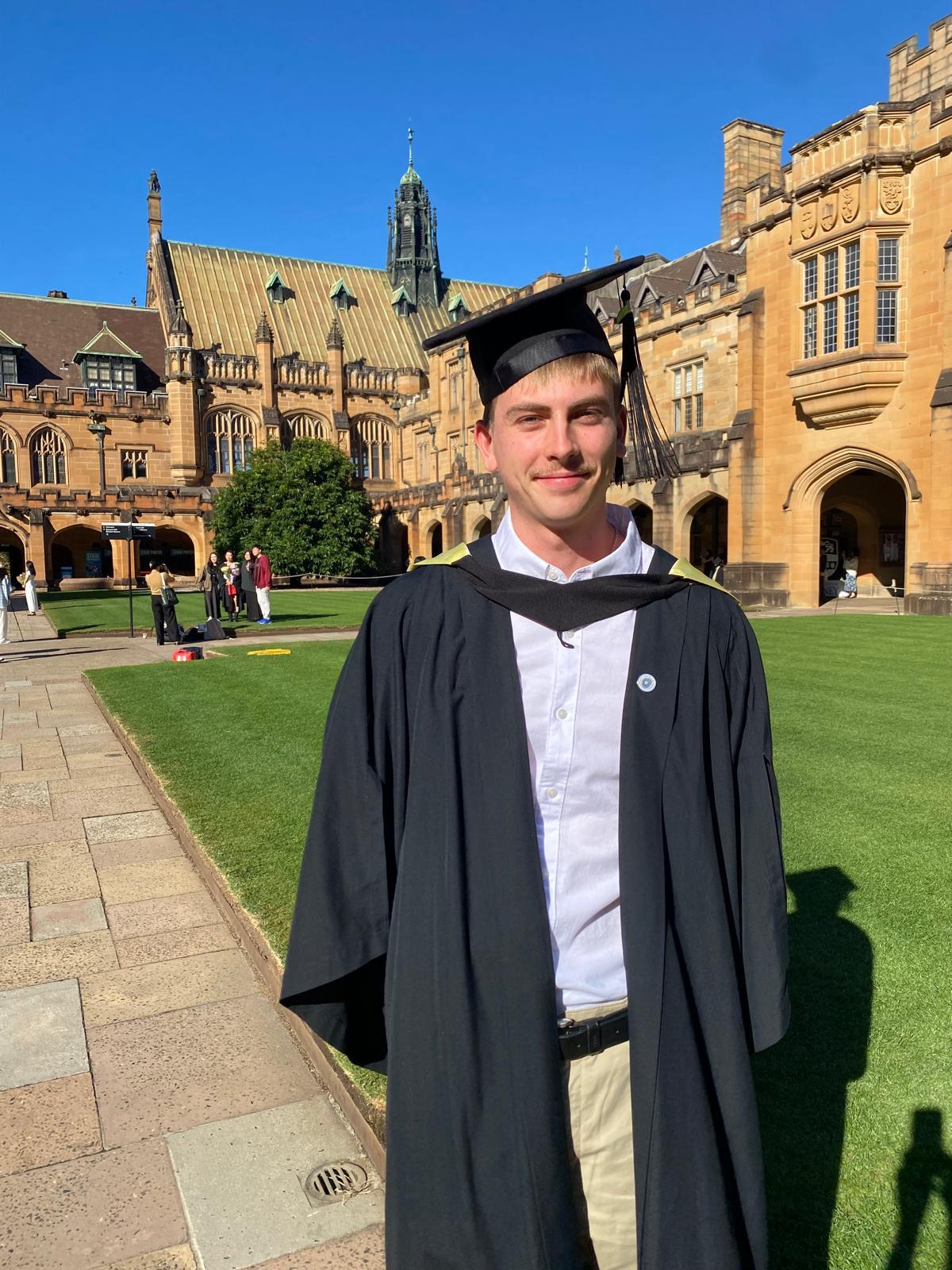
Brandon Robert Munn
Brandon Robert Munn

Primary Investigator

I am Systems Neuroscientist and physicist, currently an ARC DECRA Fellow at the University of Sydney. I am interested in how the brain's multiscale neural activity processes information, applying techniques from statistical mechanics, dynamical systems, information theory, and biophysical modelling, combining theory with large-scale data to advance neuroscience.

Postdocs

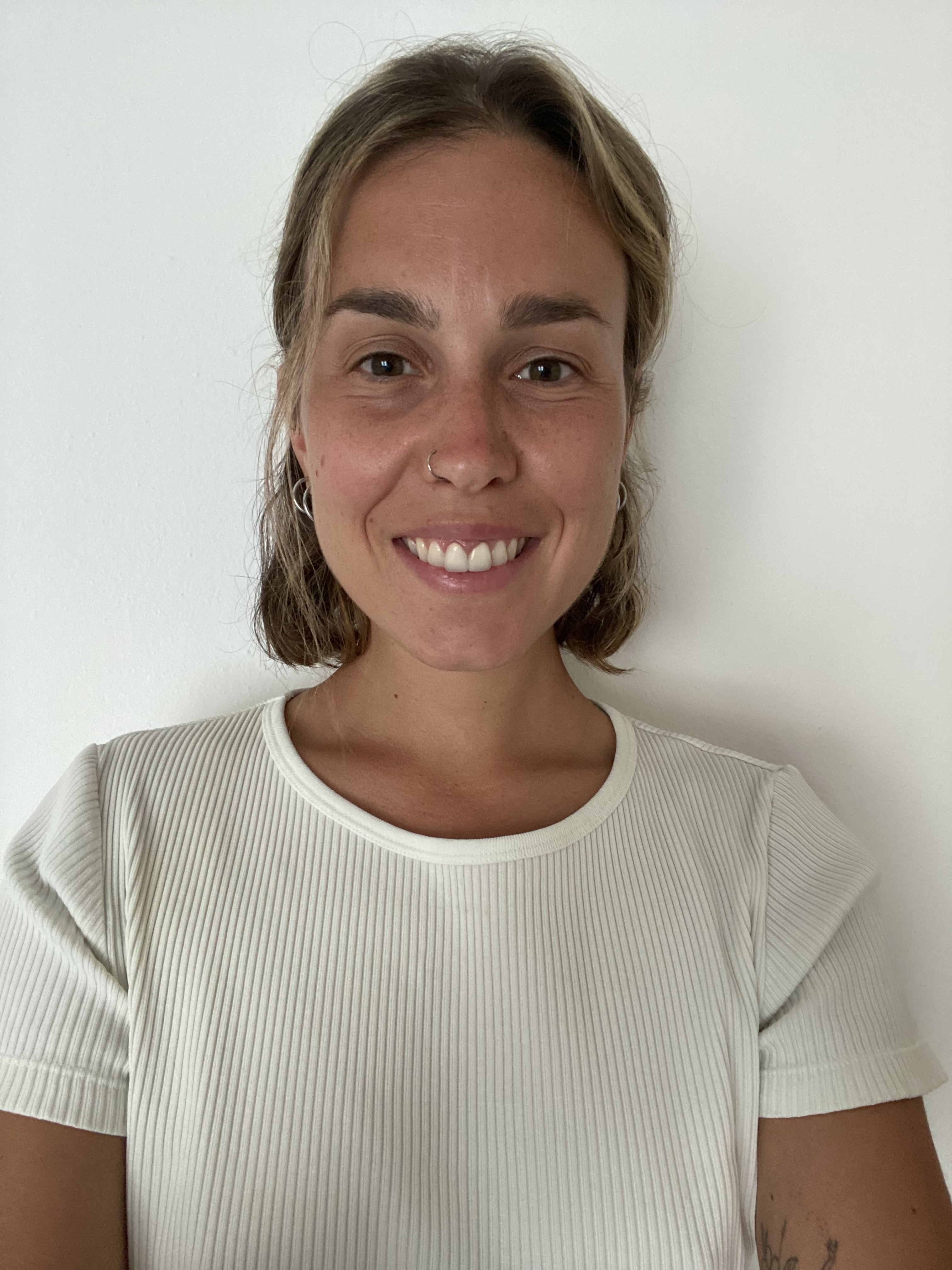
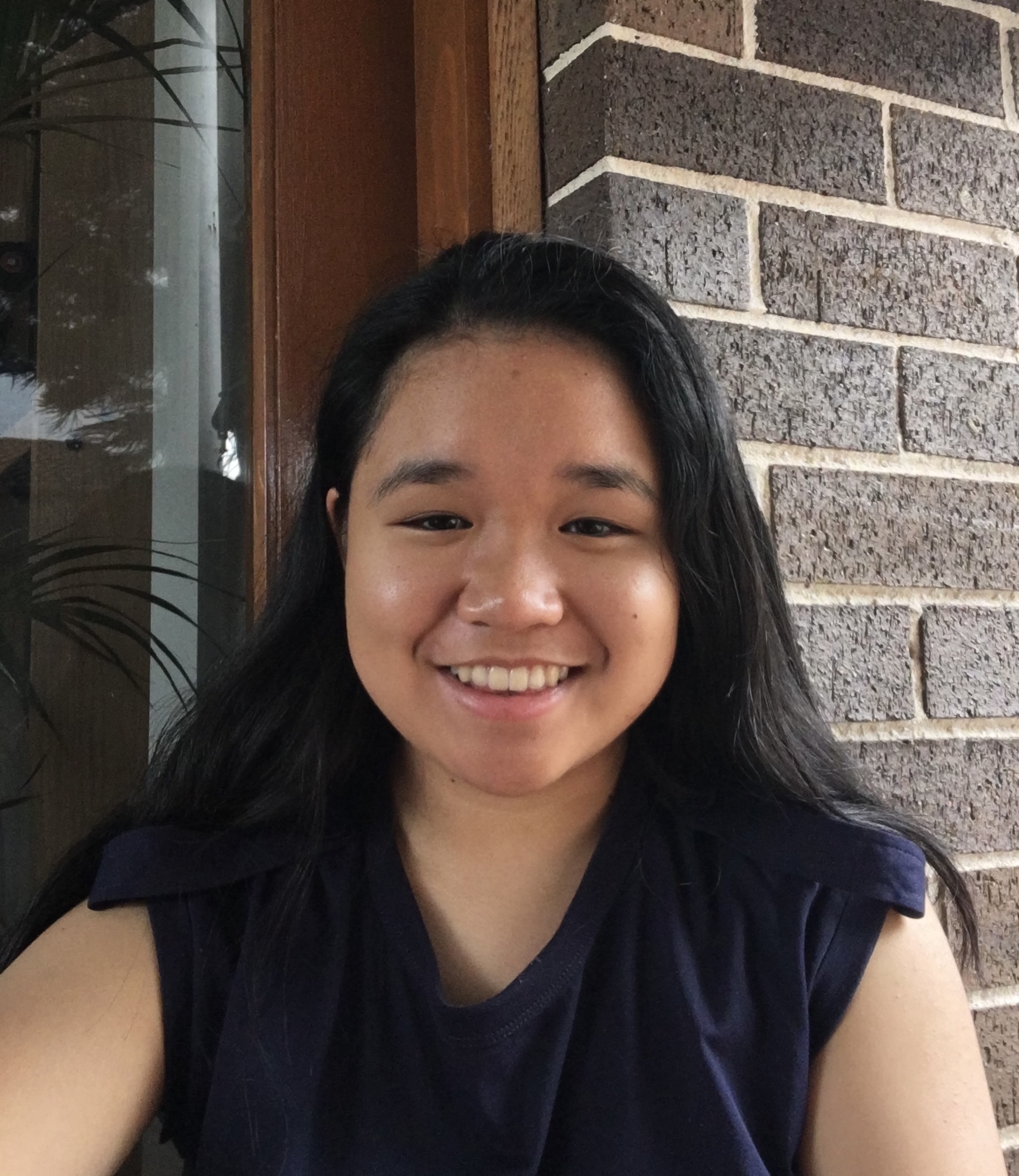
Giulia Baracchini
Giulia Baracchini

CIHR Postdoctoral Fellow

I did my PhD in Cognitive Neuroscience at the Montreal Neurological Institute at McGill University, in Canada. During my graduate studies, I used state-of-the-art neuroimaging techniques and introduced new multivariate statistical approaches to better quantify and contextualise fMRI BOLD signal dynamics within the brain’s dynamic multi-scale architecture. In my postdoc, I am now interested in taking this work a step further and broaden the lens through which cognition is operationalised and linked to neuroimaging data. My goal is to build more accurate models of brain-behaviour interactions, leveraging theories and computational tools from different disciplines that deal with multi-scale complex systems, such as the brain. I am also deeply passionate about science education and communication. I firmly believe in a (scientific) world where learning is fun, creative, accessible, and interdisciplinary. I currently acknowledge funding from the Canadian Institutes of Health Research (CIHR, FRN #MFE-193920).

Christopher Whyte
Christopher Whyte

Post-doc

I'm a theoretical neuroscientist working at the intersection of neurobiology, psychology, and applied mathematics using tools from nonlinear dynamics and machine learning to build and analyse neurobiologically informed models of elemental cognitive and biological functions such as decision making, perceptual awareness, and the global state of consciousness (e.g. wake, sleep, anaesthesia).

Annie Bryant
Annie Bryant

Post-doc

I'm a postdoctoral researcher studying multi-scale mechanisms of brain function and dysfunction in disease, particularly Parkinson's disease. I geek out on statistics, data visualization, and open science. I recently completed my PhD (December 2025) supervised by A/Prof Ben Fulcher in the Dynamics and Neural Systems Lab at The University of Sydney. My thesis research was focused on translating statistically sophisticated methods from complex systems science to multimodal neuroimaging data to characterize brain topology in health and disease. Before moving to Sydney, I lived in Boston while studying at Northeastern University and researching the relationship between tau pathology and vascular function in Alzheimer's disease under the supervision of Dr. Rachel Bennett at the MassGeneral Institute for Neurodegenerative Disease.

Amrit Kashyap
Amrit Kashyap

Post-doc

I am interested on how to use dynamical systems to explain the connection between neural structure, function and behavior across the multiscale landscape. Specifically, I enjoy using data driven tools to extract this information directly from neural data. I did my PhD in Georgia Tech / Emory in Atlanta in Biomedical Engineering, and my Postdoc at the Charite in Berlin before moving to Syndey.

PhD Students

Abby Croot
Abby Croot

PhD Student

I'm a PhD student in the Adaptive Dynamical Systems group supervised by Dr Eli Muller. My research focuses on understanding generalisation both in artificial systems and in brains, to be able to gain algorithmic insights into the human brain's ability for adaptive and flexible behaviour. I aim to develop brain-inspired learning models that use curriculum learning to enable generalisation across a diverse set of tasks. I have a background in Computer Science and Linguistics and previously studied at the University of Auckland in New Zealand.

Arash Sal Moslehian
Arash Sal Moslehian

PhD Student

I'm interested in how intelligence and conscious experience emerge from the dynamic interaction between physical body, motor systems, and the environment. Using computational modeling, machine learning, and simulations, I investigate the neuronal dynamics underlying embodied cognition. I hold a Master's degree in Neuroscience (Neuro-X) from EPFL in Switzerland and a Bachelor's degree in Computer Science.

Roupen Minassian
Roupen Minassian

PhD Student

I am a PhD student in Mac Shine's lab, where my research focuses on developing biologically plausible computational models of the brainstem neuromodulatory systems. My work aims to better understand how these systems shape cognition, behavior, and large-scale brain dynamics by integrating insights from neuroscience, computational modeling, and theory. Before beginning my PhD, I spent a brief period working in industry, where I gained experience applying technical and analytical skills to real-world problems. This experience broadened my perspective and reinforced my interest in pursuing fundamental research at the intersection of neuroscience and computation. Through my research, I seek to bridge biologically grounded neural mechanisms with computational approaches, contributing to a deeper understanding of how neuromodulatory systems support adaptive cognition and behavior.

Research Assistants & Honours

Florian Burger
Florian Burger

Research Assistant

I'm a research assistant in the lab helping with a variety of tasks. Examples include collecting analysis code and translating it from MATLAB to python, building this beautiful website, and helping with some multi-scale approaches to fMRI data. I am also a PhD student in cognitive neuroscience at the MARCS Institute at Western Sydney University under Tijl Grootswagers investigating visual representations in humans and AI

Sean Simunovic
Sean Simunovic

Research Assistant

After completing my undergraduate degree in 2025, I joined the ADS lab to learn more about how to frame questions in science. I'm fascinated by what integrating brain observations across spatial and temporal scales can reveal about high-level constructs like consciousness and perception. Currently, I'm developing a UMAP-based visualisation of neuroscientific literature embeddings as a way of mapping the global structure of the field, and identifying where ideas converge and diverge.

Kristen Tabuena
Kristen Tabuena

Honours Student

I am an honours student with a background in neuroscience and psychology. Within the vast field of cognitive neuroscience, I'm investigating naturalistic fMRI activity that captures the experience of listening to a narrative with a contextual shift. By using tools in neuroimaging and dynamical system theory, I'm aiming to build an understanding of how this shift, and thus nuances in cognition, impacts the brain at a dynamic level.

Yash Agarwal
Yash Agarwal

Honours Student

I'm an honours student studying how the ascending arousal system modulates brain dynamics. I'm applying cross-species fMRI analysis and techniques rooted in dynamical systems theory. I have a double bachelor's degree in neuroscience and data science from the University of Sydney. During coursework, I was searching for a group like ADS, who treat mathematics as a beautiful and natural language to conceptualise the brain, not only as a means for data analysis. I'm interested in studying neural processes affected in psychiatric conditions, and how biological processes coordinate to facilitate our rich experiences.

Alumni

Andrii ZahorodniiMassachusetts Institute of Technology
Chanelle NobleUniversity of Sydney
Gabriel WainsteinSydney, Australia
Isabella OrlandoUnited Kingdom
Joshua TanCNIR, South Korea
Jungwoo KimCNIR, South Korea
Lennon AbonyiPlenti, Australia
Natasha TaylorNational University of Singapore
Vicente MedelBrainLat Institute, Chile
Yinuo HanCambridge University

Collaborators

2229
Australia
USA
Canada
Europe
Hover to preview · Click to pin