Research · Neurobiology
Neurobiology
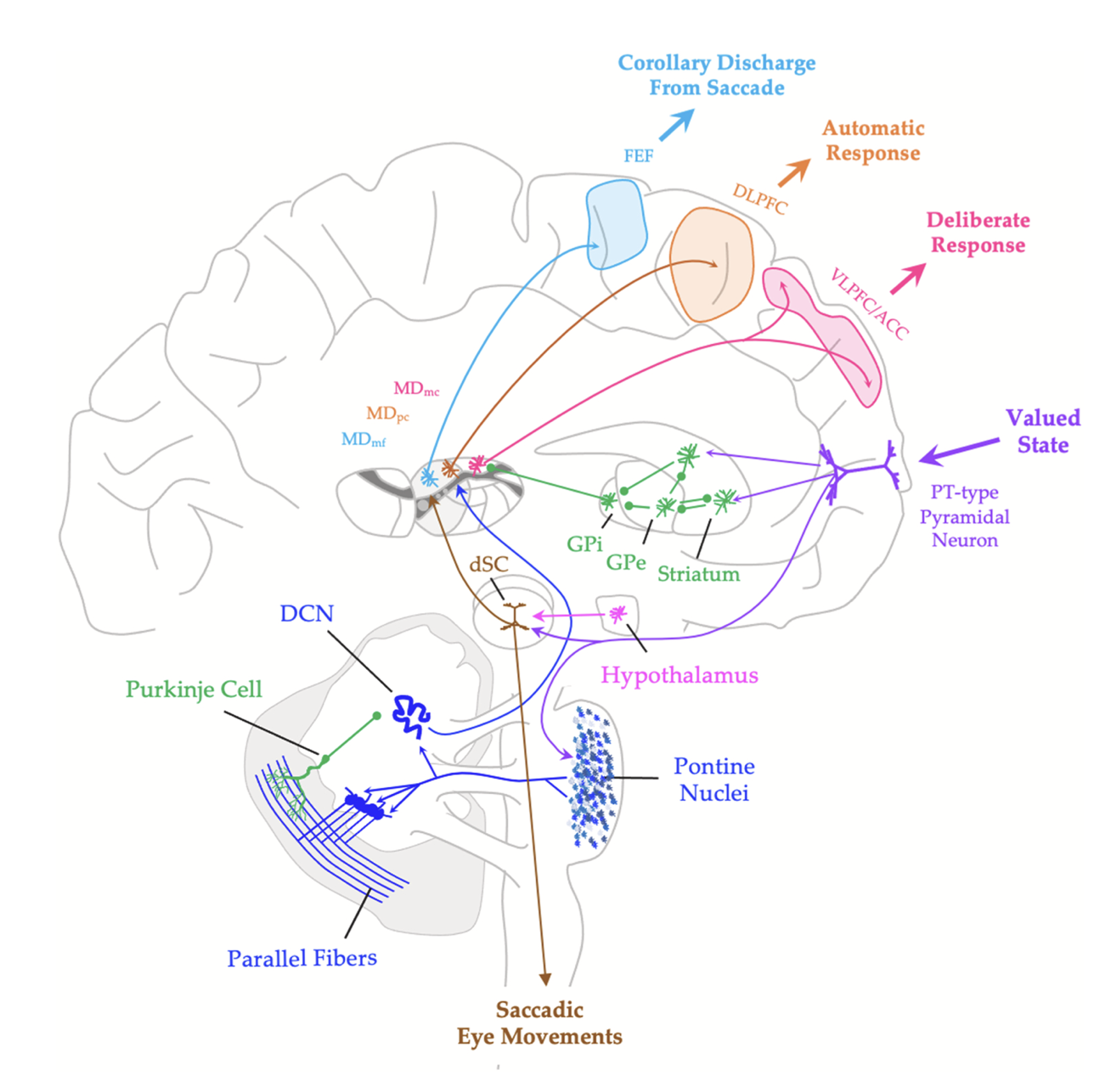
Understanding the brain requires understanding its architecture. Much of the brain's capacity for flexible, adaptive cognition depends not just on the cerebral cortex alone, but on the subcortical structures that regulate and modulate it. The thalamus, the ascending arousal systems, including the noradrenergic locus coeruleus, the cholinergic basal forebrain, and their projections, and key structures like the cerebellum, basal ganglia, hippocampus, and superior colliculus, are central to this picture.
Our neurobiological work examines these systems at the circuit level. How does the thalamus select which signals reach cortical awareness? How do neuromodulatory systems set the conditions under which cortical computation operates? And how do these systems interact to produce the diverse repertoire of brain states we observe across wakefulness, sleep, task engagement, and disease?
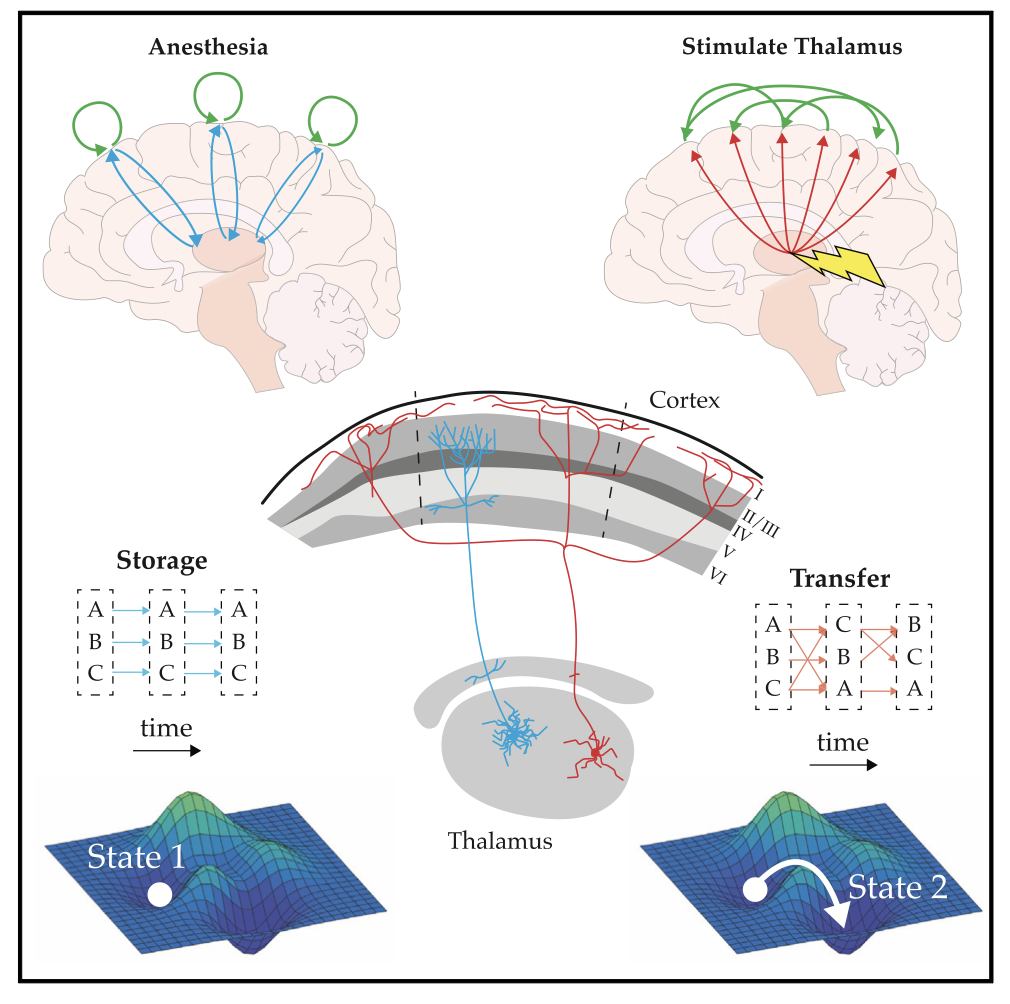
A major focus is thalamocortical circuitry, the continuous loop of communication between the thalamus and cerebral cortex that is thought to underlie many aspects of conscious awareness and selective attention. We study how the thalamus gates information flow to specific cortical areas, how it mediates competitive selection between possible actions, and what happens when this gating is disrupted in neurological conditions. Alongside this, we investigate how ascending arousal systems modulate the overall excitability of cortical circuits, shaping the landscape within which cognition unfolds.
We also take a comparative perspective, asking whether the circuit principles we identify generalise across species. Cross-species analysis helps distinguish what is a fundamental constraint of biological neural computation from what is an evolutionary specialisation. This comparative lens sharpens our understanding of what is truly distinctive about the human brain, and why particular subcortical systems, conserved across hundreds of millions of years, remain so central to higher cognition.
4 Projects
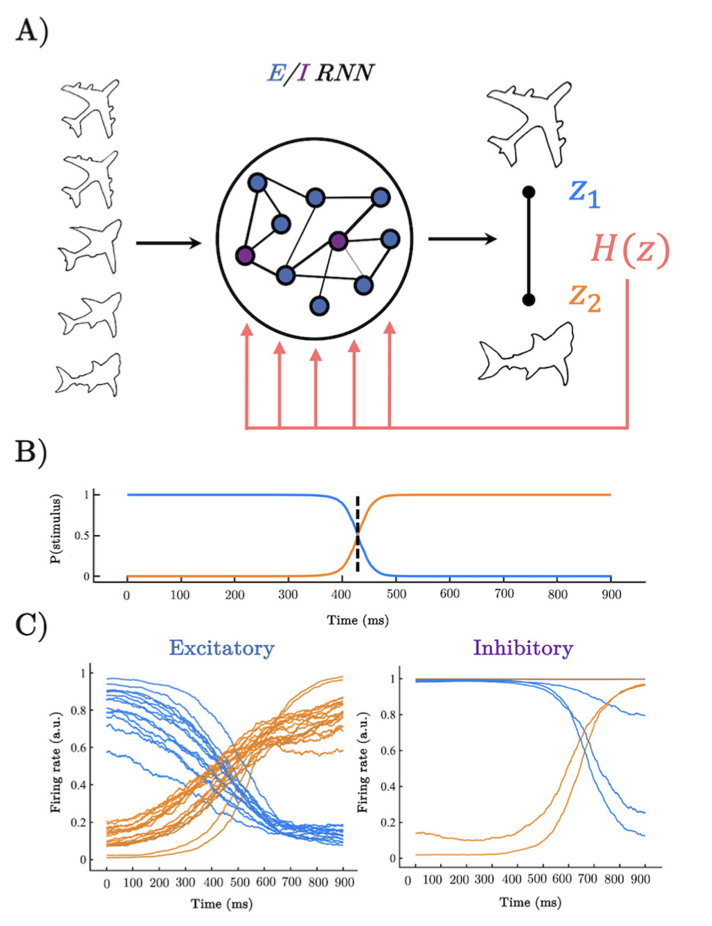
Cross-species Neurodynamics
Compares neural dynamics and circuit organization across species to identify conserved and divergent principles of brain function. Uses comparative analysis to understand fundamental constraints on neural computation.
Thalamocortical Selection
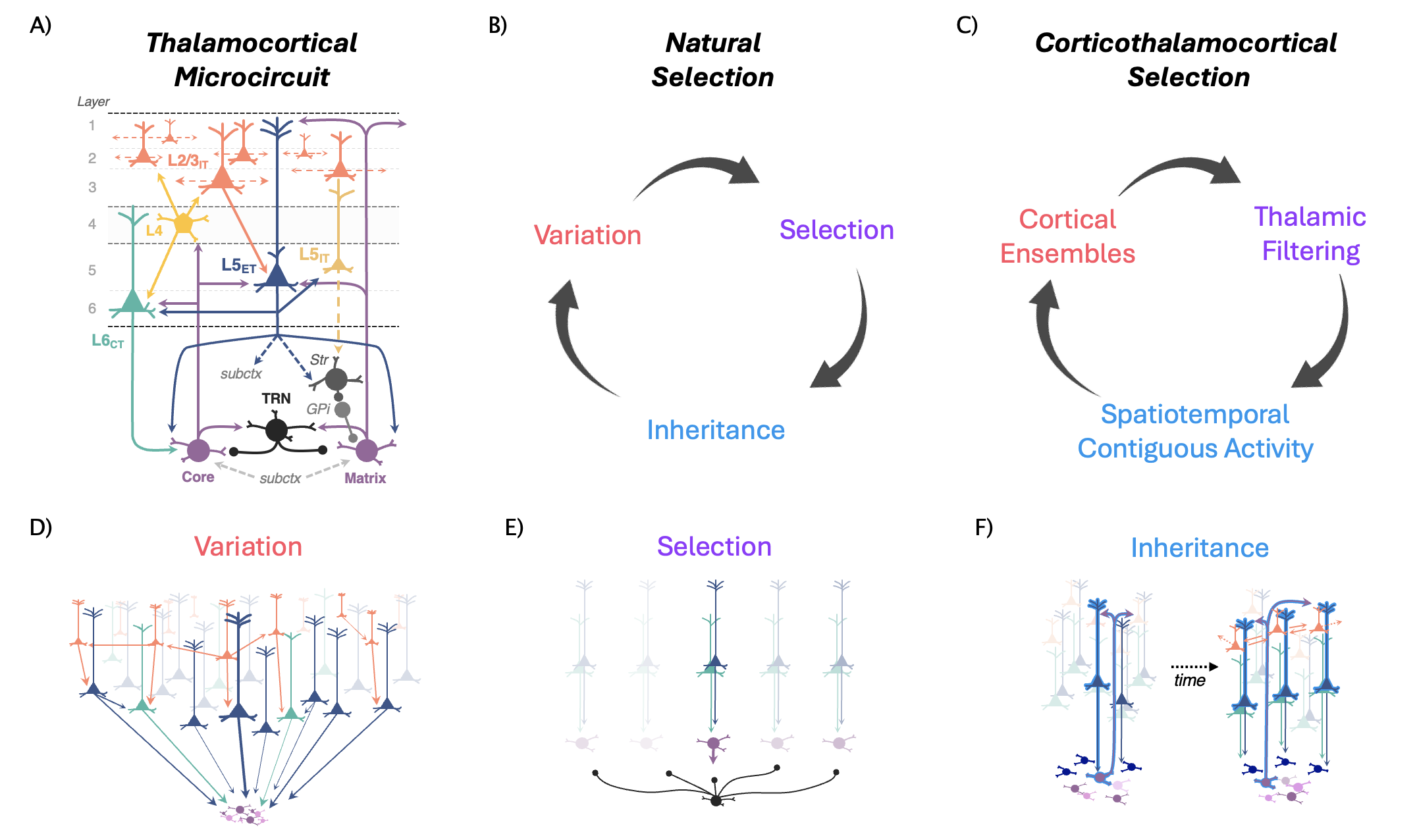
Examines the mechanisms of selective attention through the lens of thalamocortical circuitry. Explores how the thalamus gates information flow to cortex and mediates competitive selection between behavioral alternatives.
Delegation to Automaticity
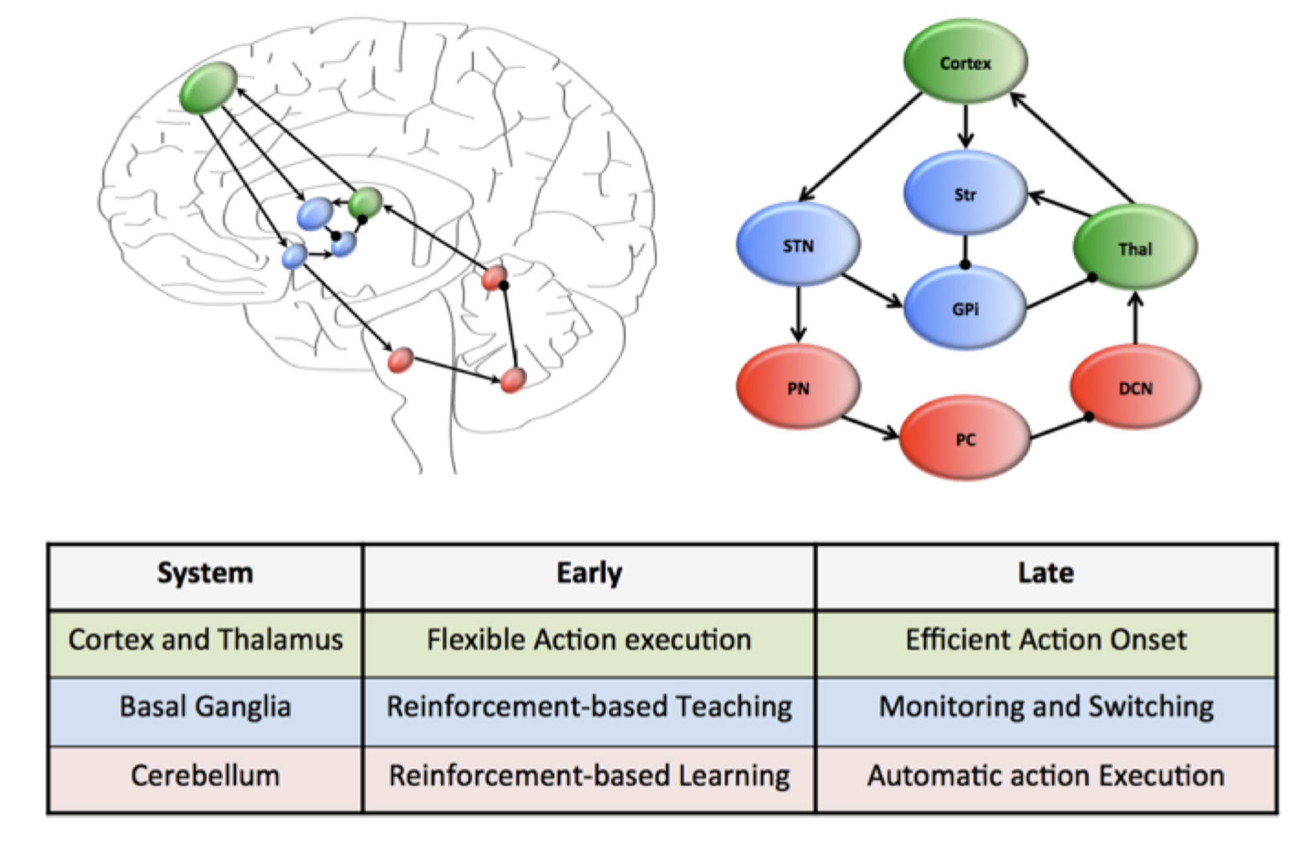
Investigates the neural mechanisms by which cognitive control is gradually transferred from attention-demanding systems to automatic/subcortical systems during skill learning. Tracks circuit reorganization as behaviors transition from conscious to unconscious processing.
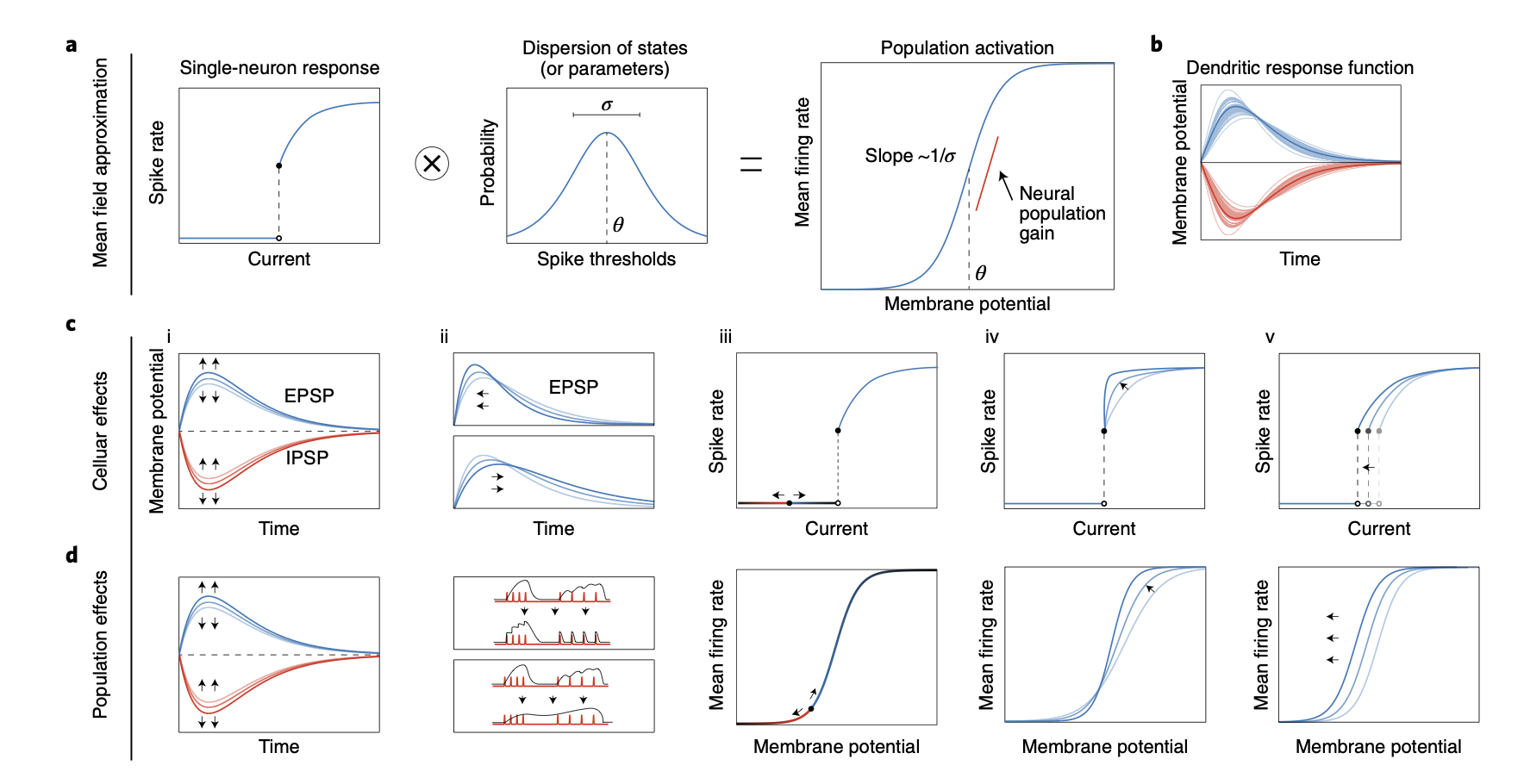
AAS + Gain Modulation
Studies how gain modulation in ascending arousal systems affects neural computation and behavior. Combines theoretical models of gain control with experimental measurements to understand how arousal states modulate sensory and motor processing.