Research · Neuroimaging
Neuroimaging
The living human brain cannot be directly observed the way a circuit in a dish can. Functional neuroimaging, and fMRI in particular, offers our clearest non-invasive window into the large-scale organisation of the brain in action, and into how that organisation shifts across time, tasks, and disease.
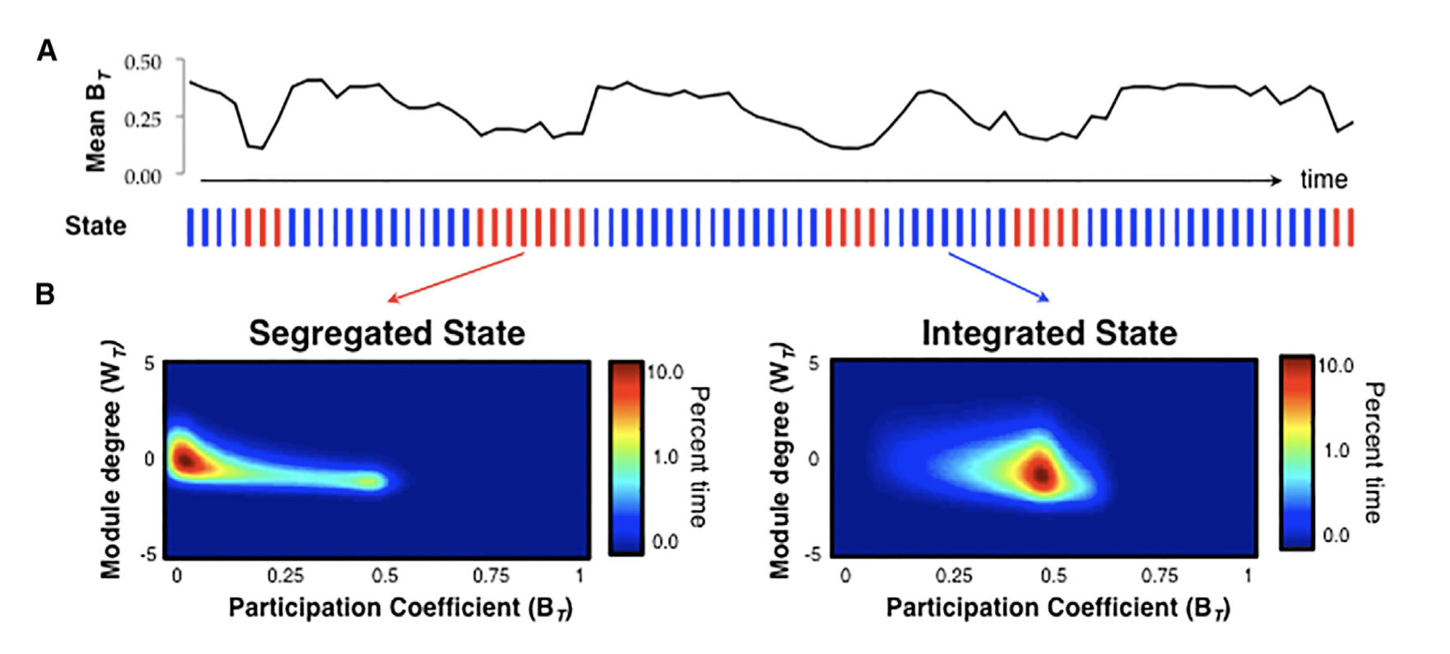
Our neuroimaging research uses state-of-the-art analysis methods to map the dynamic structure of brain networks. Networks are not static: they continuously reorganise across the timescale of a single task, a lifespan, and a disease process. Tracking these changes, and understanding what they mean for cognition and behaviour, is a central aim of this work.
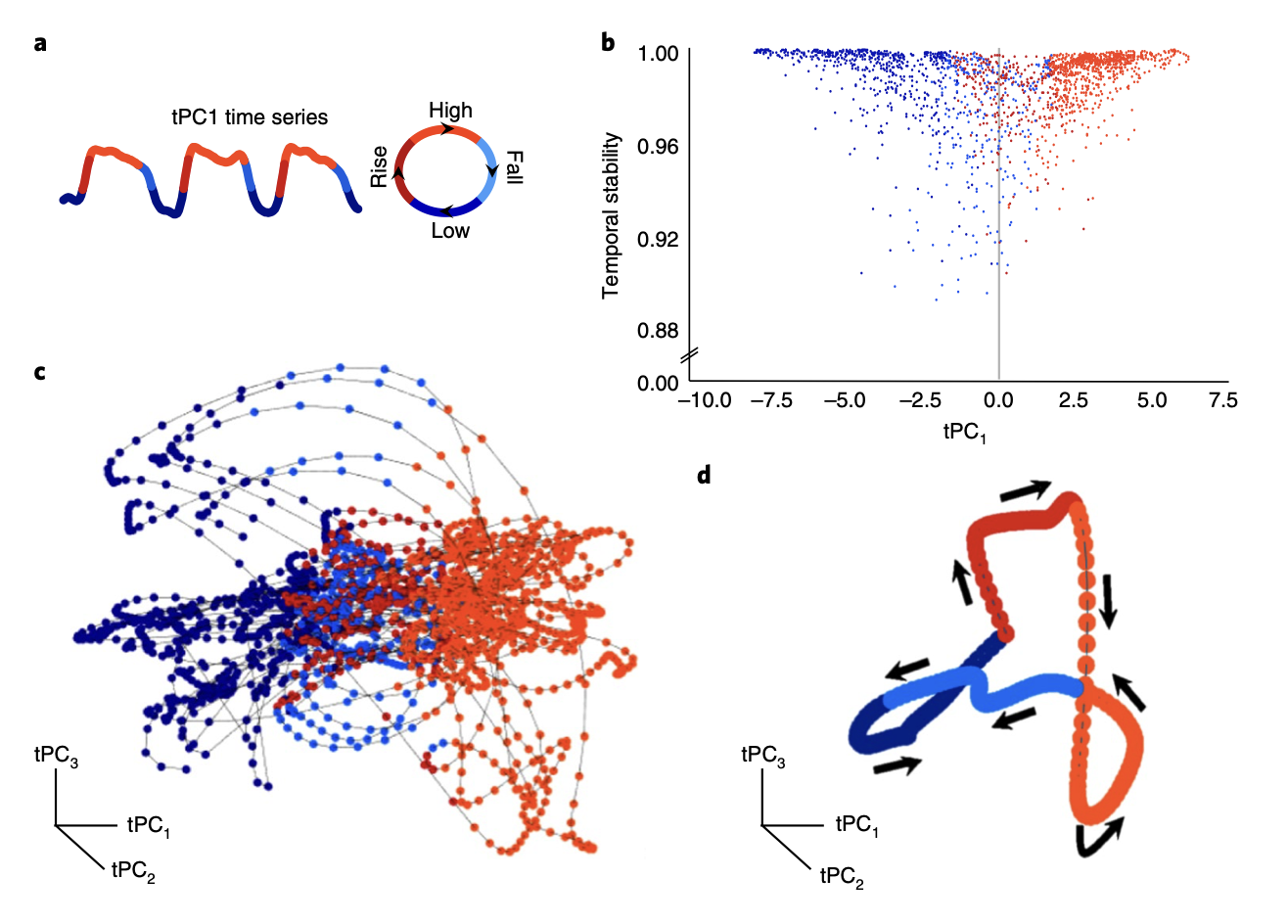
A key methodological focus is moving beyond analyses that average over time. Traditional approaches collapse the moment-to-moment fluctuations in brain activity that carry the most information about brain state. We develop time-resolved methods, including topological data analysis and dimensionality reduction, capable of detecting brief but meaningful patterns in connectivity and extracting the low-dimensional trajectories along which brain states evolve.
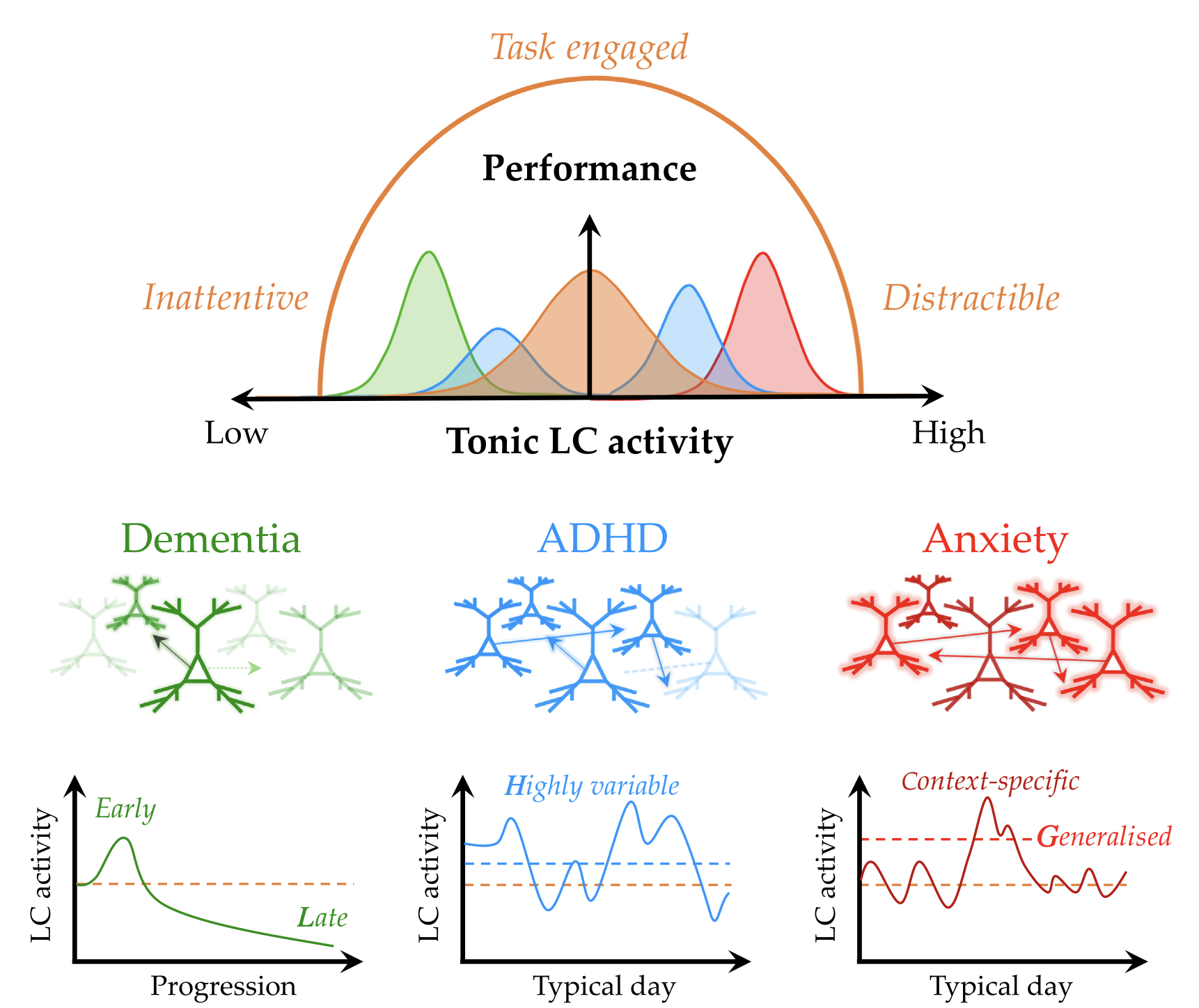
A major clinical application is understanding neurodegeneration. Conditions such as Parkinson's disease and Lewy body dementia involve progressive disruption of brain network organisation, often years before the clinical symptoms that formally define them. Neuroimaging provides a way to detect these changes earlier, track their progression, and evaluate whether interventions can restore healthier network dynamics. By connecting imaging-level signatures of disease to the circuit-level mechanisms studied in our neurobiological work, we are building a systems-level account of how neurodegeneration unfolds, and where it might be interrupted.
2 Projects
Neural basis of Neurodegeneration
Explores how degenerative processes alter neural circuits and brain dynamics in age-related and neurodegenerative conditions. Uses imaging and computational modeling to identify early signatures of neurodegeneration and test intervention strategies.
Time-varying Network Reconfiguration
Develops methods to characterize how brain networks dynamically reorganize over behavioral timescales. Combines high-resolution neuroimaging with computational analysis to identify principles governing temporal network reconfigurations.